



Victoria Vision — Doctors of Optometry
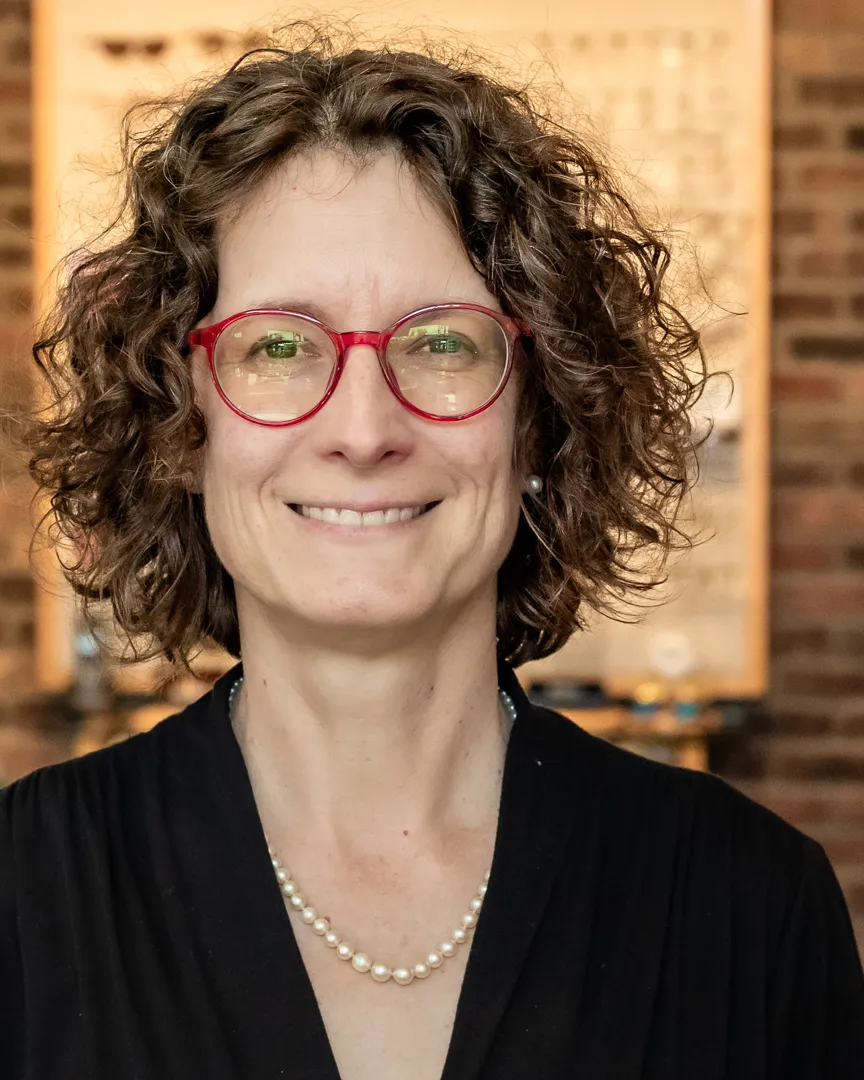
Dr. Heidi Webster
Optometrist, Owner
About Dr. Webster
Victoria has been home for over 25 years. I feel fortunate to be able to walk to work, and find it's the best way to start my day: to walk through Fairfield, past Christ Church, and to the clinic. I got my first pair of glasses in elementary school, but it was studying the eye in grade 9 science class that got me hooked on vision. I did my training at the only English-language optometry school in Canada: the University of Waterloo. Vision and the eyes are fascinating and amazing, but it's my patients that make my work interesting and enjoyable. I take time during eye exams to make sure I listen to your concerns, guide you through each part of the process, and ensure we address your needs. When I'm not running a business and checking people's eyes, you'll find me enjoying nature in Gowlland Tod or in my garden, or knitting in front of a cozy mystery or baking show on TV. My staff and I look forward to taking care of your eyes and hopefully your family's and friends' eyes too.
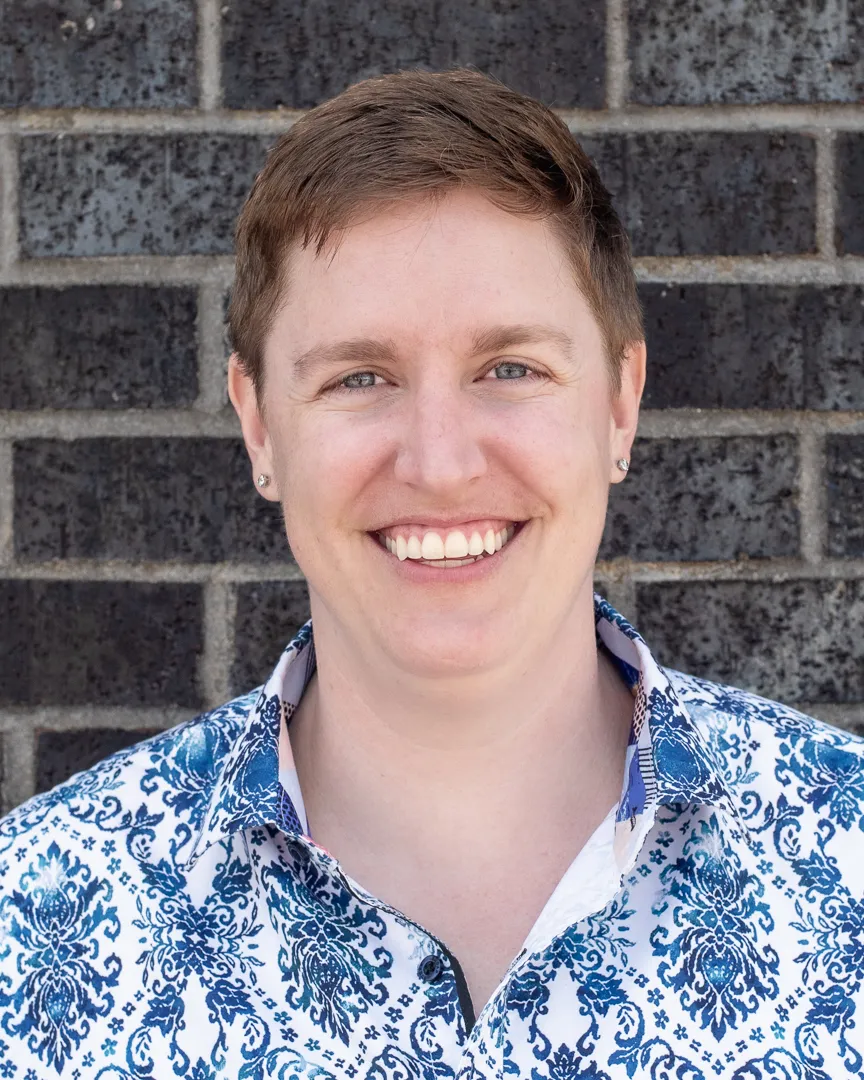
Dr. Brooke Bonner
Optometrist
About Dr. Bonner
Originally from Peterborough, Ontario, Dr. Bonner earned a Bachelor's in Honours Science from the University of Waterloo before continuing studies at the School of Optometry and graduating on the Dean's Honour List. They have been delighted to call Victoria home since joining us in 2018. While at the University of Waterloo, Dr. Bonner raised funds to train guide dogs, provided vision screening in partnership with the Lions Club and Special Olympics and worked to help varsity athletes reach their peak performance with the sports vision club. An externship at Mind's Eye Neuro-Visual Optometry in Etobicoke gave them practical experience in the application of vision therapy to treat concussions and learning difficulties. Outside the clinic, Dr. Bonner can be found devouring the latest novel from their book club, trying out new local foods and recipes, and petting dogs.
Eye Exams
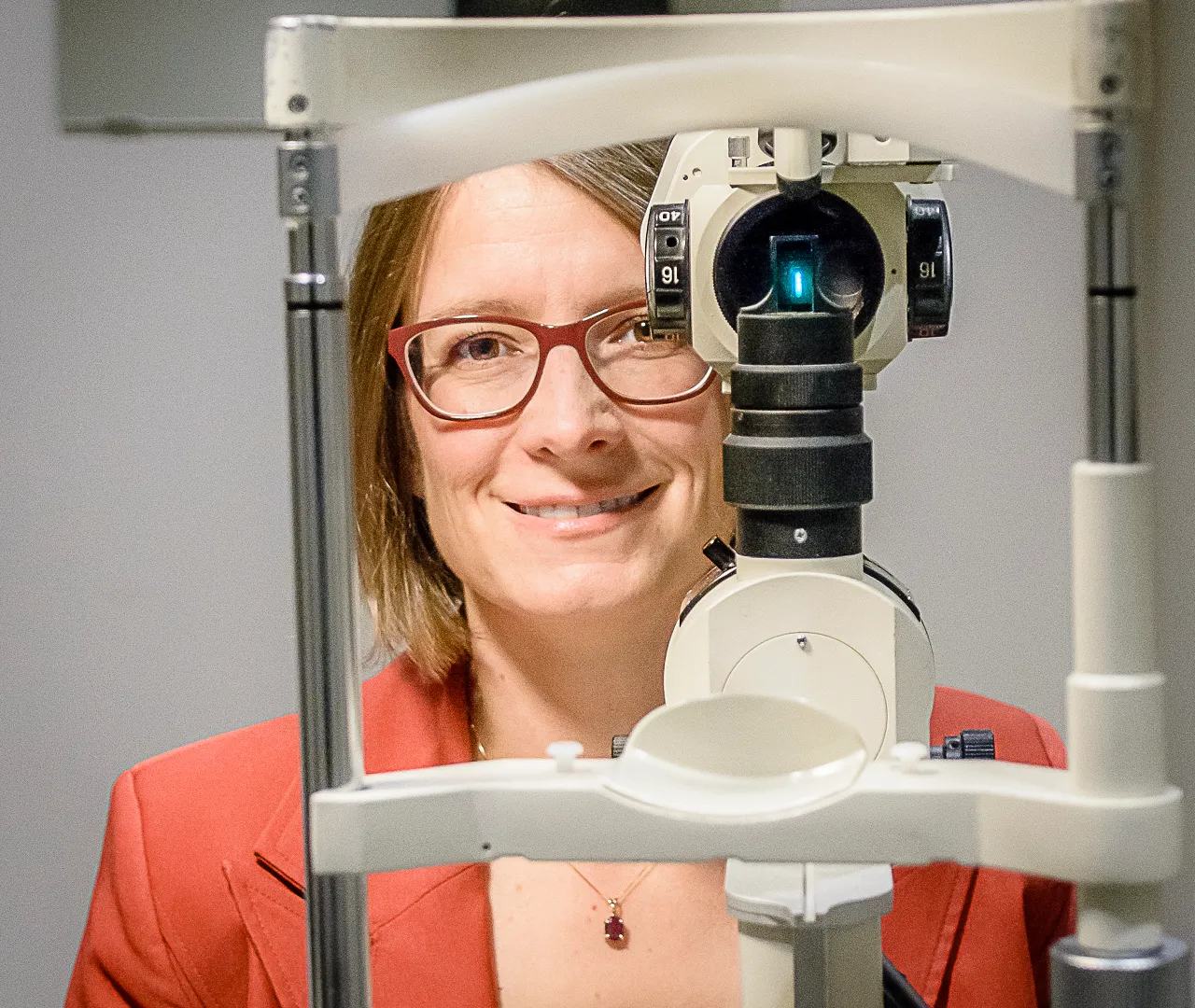
Regular eye exams enable us to track how your eyes change over time. This builds a foundation for proactive care specific to your needs.
Eye health and function typically change gradually and often without noticeable symptoms. Regular comprehensive exams build a record of your eyes over time, enabling us to identify changes early and giving us the most options to address them. During each visit we assess how clearly and comfortably you see, how your eyes work together, and examine their health from front to back. We can detect early signs of conditions like glaucoma, macular degeneration, and cataracts while they're still most treatable, as well as systemic health concerns including diabetes and high blood pressure.
For children, vision problems often go unnoticed because kids assume everyone sees the way they do. Issues like amblyopia or poor eye coordination can subtly affect confidence and school performance. Regular exams ensure a clear path for learning. We recommend exams at six months old, three years old, and annually through their school years.
For most adults, we recommend exams every two years to monitor your eye health and keep prescriptions current so your brain doesn't have to compensate for changes in your eyes.
For seniors, and people with risk factors like diabetes or a family history of glaucoma, we recommend annual exams to stay ahead of conditions that can progress quickly and quietly.
Our goal is for you to leave every visit with a clear understanding of what we found, why it matters, and what you need to do.
Emergency Eye Care
When something goes wrong with your eyes, we're here with specialized training, tools and dedicated time to see you.
When you experience sudden vision changes, pain, redness, swelling, or get something in your eye, the right care matters. Because your eyes are complex, an ER, walk-in clinic, or pharmacy is generally under-equipped to identify what's actually happening. We have the specialized equipment and clinical training to diagnose what's really going on and get you started with the right treatment without delay.
We dedicate room in our schedule specifically for patients who need to be seen promptly, so you avoid spending hours in an ER waiting room or searching for a spot in a walk-in queue.
Our care doesn't end at diagnosis. We stay with you through to resolution, referring to an ophthalmologist when necessary and monitoring and adjusting treatment to make sure the issue is fully addressed.

Dry Eye Treatment
Dry eyes are becoming more and more common every year. Fortunately, we have simple treatment options that provide relief for most people.
Screen use, air conditioning and contact lens wear all can disrupt the tear layer that keeps your eyes happy. It's not surprising that dry eye complaints are increasing almost as fast as dry eye treatment options. Many people try to manage on their own without realizing that better, effective solutions are within reach.
We start by assessing your eye health to understand what's driving your symptoms, then recommend an approach that fits your lifestyle. For most people it can be as simple as a warm compress routine, artificial tears, or a prescription drop that targets the underlying inflammation. For patients with more advanced dry eye, we'll help you wade through the hype and guide you to proven treatment with a provider we trust.
Eyewear Consultation
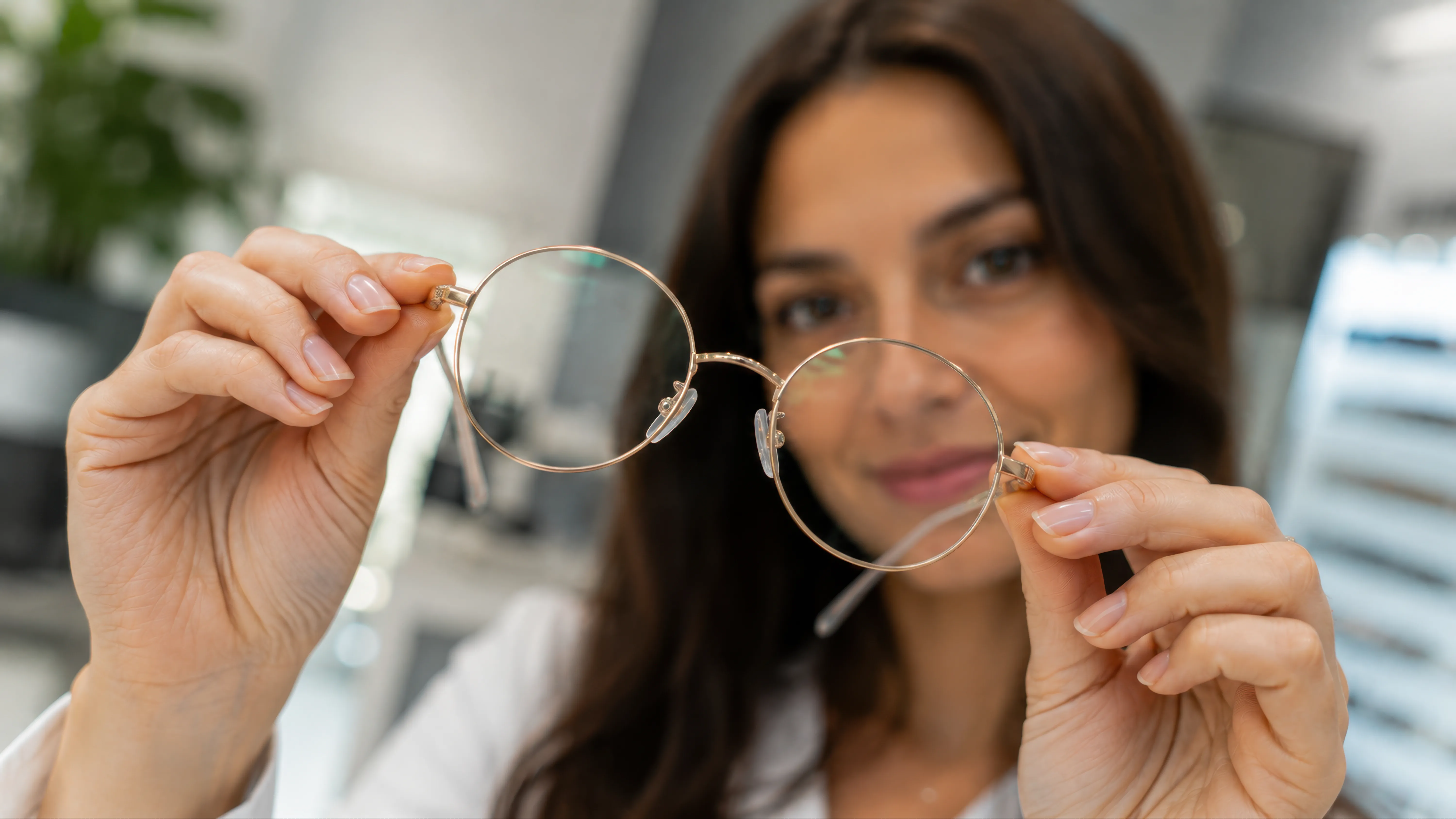
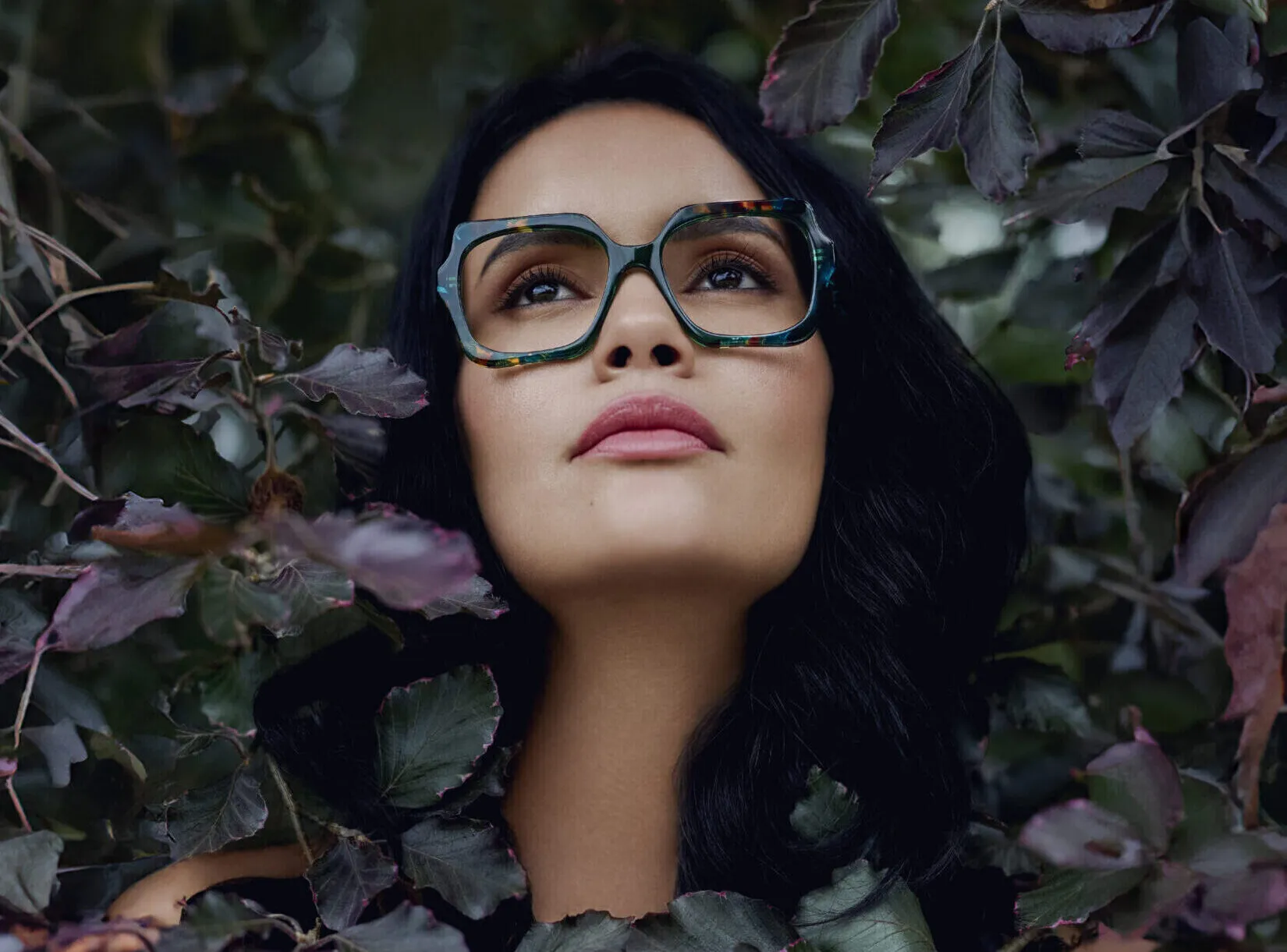
Glasses you'll enjoy wearing start with lenses that suit how you live, in a frame that fits your face and personality.
The doctor's prescription tells us what your lenses need to do, but not how you'll actually use them.
To understand what your lenses need to be, we look at how much time you spend on screens, the demands work puts on your eyes, and the environments your vision needs to perform in. From there we'll look at coatings to reduce glare and eye strain, treatments to adapt to changing light, and designs that let you move comfortably through your day.
Pairing those lenses with the right frame can be deceptively complex. Taking the time to understand your priorities around comfort, durability, style and personal expression enables us to help you find one that fits in every sense.
We adjust every frame so you leave with a comfortable fit, but eyes take time to adapt to new lenses, and things can change with wear. If something doesn't feel right, we want to hear about it. Whether it needs an adjustment, a change or a repair, we'll make sure your glasses deliver for you every day.
Myopia Management
Childhood nearsightedness is increasingly common. Early detection gives you the most ability to minimize impact on your childs life.
With less time spent outside playing and more time focused on screens, myopia (or nearsightedness) is becoming more common in children and tends to get worse with age. Beyond affecting a child's learning and development, myopia can increase the risk of serious eye conditions in adulthood. Fortunately, recent innovations have made effective intervention accessible for most families.
For most children, specially designed lenses in their glasses are both effective and easily incorporated into family life. Contact lenses or pharmaceutical approaches may offer additional benefits for some children and families. We'll help you find what the evidence supports so that you understand what makes sense for your child.
Regular eye exams enable detection while a child's eyes are still developing, which gives you the most opportunity to protect their vision.
Contact Lens Fitting
The right contact lens fit is critical to ensuring comfortable wear, healthy eyes and clear vision.
A contact lens prescription specifies both what your lenses need to do and what they need to be. We use your glasses prescription, measurements of your eyes, and an assessment of their health to determine the design and material that's right for you.
Contact lenses are a medical appliance that sits directly on your eyes. Wearing them too long, sleeping in them, or cutting corners on cleaning may lead to serious infection that can threaten your sight. Even with a diligent routine, problems can develop without obvious symptoms. We want to see you regularly to check that your eyes are staying healthy while wearing contacts.
If you're new to contacts, we'll take the time to make sure you're confident putting them in and taking them out, and that you know how to care for them.
If something feels off, or you have a concern, we want to hear about it. Whether it calls for a change in lenses or a change in care, we're here to help your eyes stay comfortable and healthy every day you wear contacts.






Advanced Lens Technologies
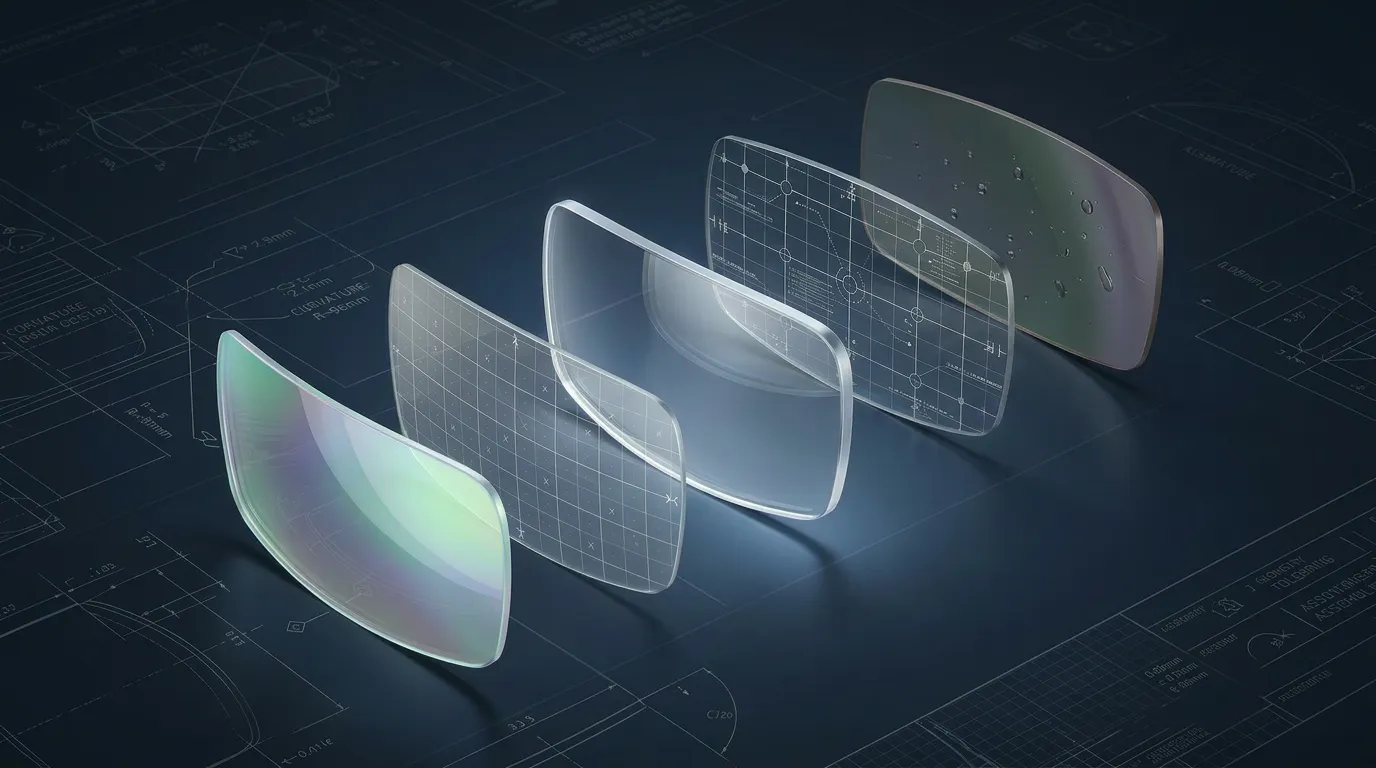
Lens Materials
Lens materials differ in how thick they need to be and how much impact they can absorb. The right material for your prescription reduces weight on your face and provides a clearer image across the lens.
Lens Design
Modern lens designs are more sophisticated than traditional curves. They incorporate your prescription, your frame position, and the way your eyes move to shape the lens around how you actually see.
Lens Treatments
Treatments change how the lens manages light. A photochromic lens is clear indoors and dark in the sun. A polarized lens cuts the glare reflected off water and pavement. A blue light filter reduces the visual strain that accumulates with time on screens.
Lens Coatings
Coatings reduce the reflections that cause eye fatigue, repel the oils and water that cloud the surface, and resist the fine scratches that come with everyday wear.
Hours of Operation
- Sunday Closed
- Monday 8:00 AM – 5:00 PM
- Tuesday 8:00 AM – 5:00 PM
- Wednesday 8:30 AM – 6:00 PM
- Thursday 8:30 AM – 5:30 PM
- Friday 9:00 AM – 5:00 PM
- Saturday Closed